
About us
The Development and Spatial Planning (now encapsulated in the field of Town Planning) have an embedded history of being dominated and driven by men largely from the engineering and architectural disciplines, with its focus on “urban” planning. While over the years there’s been a slight transformation in terms of the involvement of Planners in development and spatial planning and most discouraging,the sector is still dominated by males when it comes to strategic development matters. With reasons that can attributed to both racial and gender imbalances and of course the perpetual marginalization of black women in particular. This is also compounded by the slow pace of transformation on major fronts, such as access to higher education, rigidity of the labour market for first time entry level graduate planners, incessant struggle of students coming from rural South Africa to access urban university life and adaptation due of course to the lack of career guidance back in secondary education level, lack of role models in communities of origin to provide the necessary guidance.
Our Team
Women in Planning (South Africa) – WiPSA is pioneered by three young aspiring women in the field of Town Planning

Miss Siphelelisiwe Gugulethu Sithole
Founder
NDip (TRP), BTech (Management), MTRP
Miss Sithole over the past years has developed extensive skills in planning and development. Her uniqueness is accentuated by her courage to establish her own company at an early age of 23.
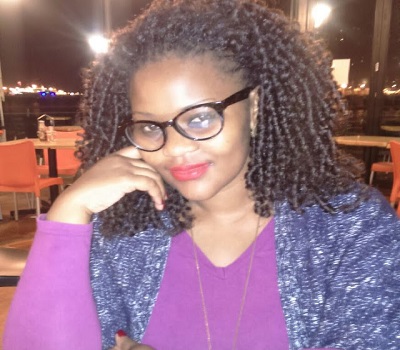
Miss Menelisi Azande Mhlanga
Co-Founder and Communications co-ordinator
NDip (TRP), BTech (TRP)
Miss Mhlanga has 8 years of experience in the strategic planning , land use management and town planning enforcement field
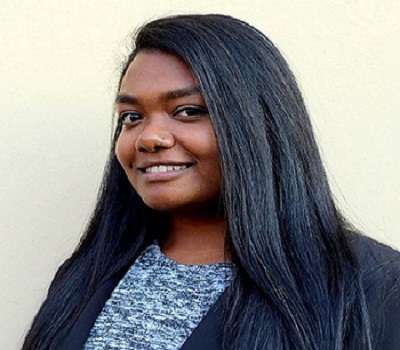
Miss Nina Singh
Admin/ Social Media Coordinator
B.A. in Psychology – (GPA: 3.39/4.0), NQF Level 5 Accredited Facilitator and in NQF Level 5 Accredited Assessor.
Inspirational Quotes
"Women are the most vulnerable when it comes to development, yet men dominate the sector, with very little appreciation of what half the population's needs really are."
"Nobody can make you feel inferior without your permission."
“Cities have the capability of providing something for everybody, only because, and only when, they are created by everybody.”